

If you are new to sports betting, this page is the place to start. It covers the bet types you will see most often, how to read the odds attached to them, and how to keep your stakes sensible while you learn. No jargon that is not explained, and nothing here assumes you have placed a bet before.
The four bets worth learning first
Moneyline
The simplest bet there is. You are picking which team or player wins, and nothing else matters. The margin is irrelevant, so a one-point win pays the same as a blowout. Your payout depends on the odds. A $100 bet at +200 returns $300 in total, because plus-money odds tell you what a $100 stake wins on top of your stake coming back.
Point spread
A spread evens out a mismatch by giving the underdog a head start. You are betting on whether a team covers that gap rather than on who wins. If the Cowboys are +3.5 underdogs and lose 23-20, a bet on the Cowboys still wins, because they stayed inside the spread. That is the point of it. Backing an underdog does not require them to win the game.
Total, also called the over/under
Here you ignore who wins entirely and bet on the combined score. If the total is set at 45.5 you are choosing whether the two teams finish above or below it. When a total lands on a whole number and the final score matches it exactly, the bet is a push and your stake comes back.
Player props
A prop is a bet on one player rather than the result. Passing yards, rebounds, strikeouts, anytime touchdown scorer. Props are where most of our daily coverage lives, because they reward knowing a matchup rather than picking a winner. Our prop analysis is linked below.
Reading the odds
American odds are either negative or positive, and the sign tells you which side is favored.
- Negative odds mark the favorite and show what you need to stake to win $100. At -150 you risk $150 to win $100.
- Positive odds mark the underdog and show what a $100 stake wins. At +150 a $100 bet wins $150.
This is also where the house edge shows up, and it is worth understanding early. Two evenly matched sides are usually priced near -110 each rather than +100, and that gap is the sportsbook margin. It is often called the vig or the juice. Betting everything at -110 means you need to win a little over 52 percent of your bets just to break even, not half of them. Plus-money bets need a lower win rate to stay level, but they are priced that way because they are less likely to land.
Decide your stake before you start
Pick a total amount you are comfortable losing, then bet a consistent fraction of it rather than varying wildly with how confident you feel. Somewhere around 1 to 3 percent of that total per bet is a common starting point. The reason is arithmetic rather than caution. A run of losses is normal even when your picks are sound, and a consistent stake size is what lets you still be betting afterwards.
Set those limits before your first bet, not after a bad night.
Where to go next
Once the bet types make sense, the useful next step is reading a specific matchup rather than more theory. Our daily coverage does that by sport.
Latest betting picks and analysis
NHL Public Betting Trends and Best Bets for Monday, November 16
Monday Night Football Parlay Trends: Los Angeles Chargers vs. Baltimore Ravens 11/16/26
Syracuse Orange vs. St. John’s Red Storm prediction, pick for NCAAM on Sunday 11/15/26
Joe Burrow Passing Touchdowns Pick for Bengals vs. Steelers
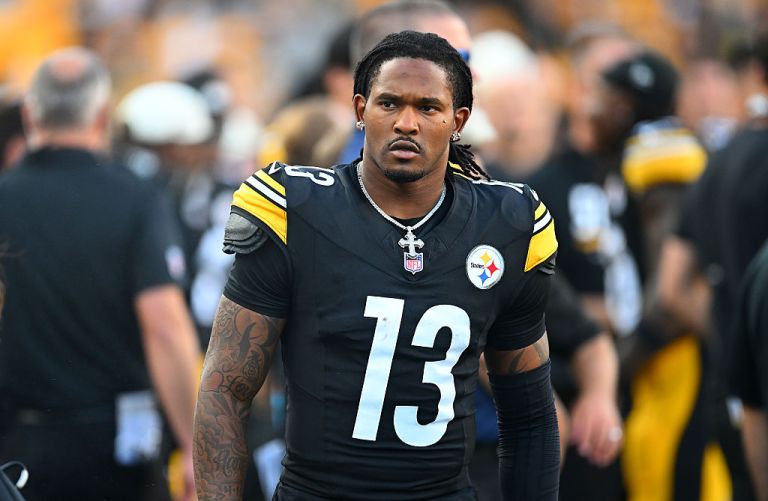
First Touchdown Scorer Prop Bets for Steelers vs. Bengals on Sunday Night Football
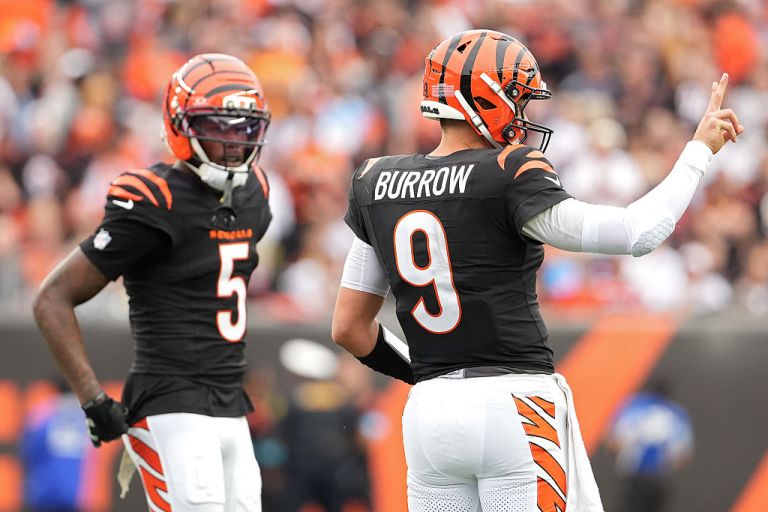
Cincinnati Bengals vs. Pittsburgh Steelers prediction, pick for NFL Week 10 on Sunday 11/15/26
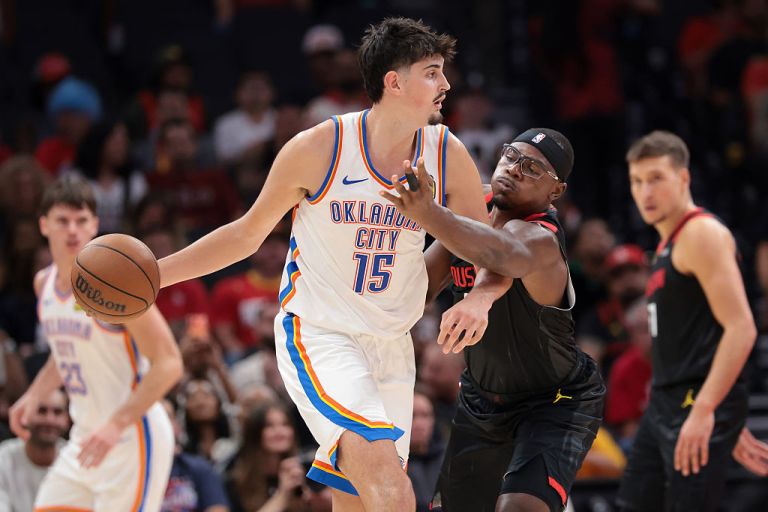
NBA Prop Bets: Thunder at Kings Best Bets for Sunday 11/15/26
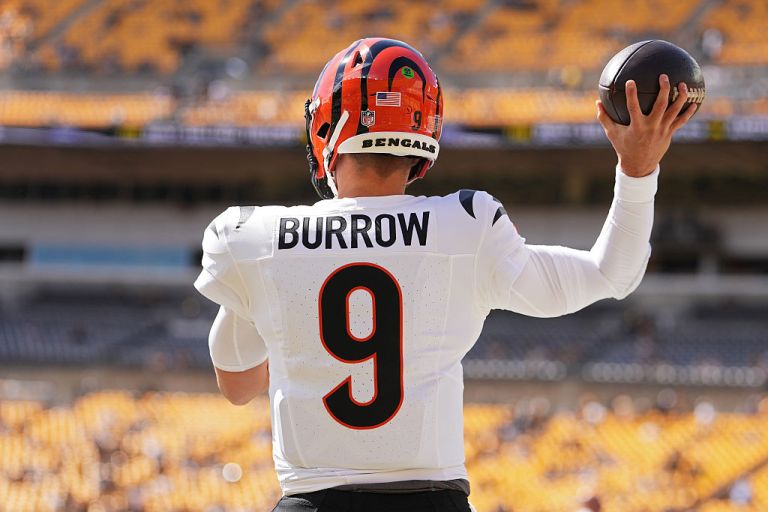
Steelers vs. Bengals NFL Player Prop Bets and Picks for Sunday Night Football
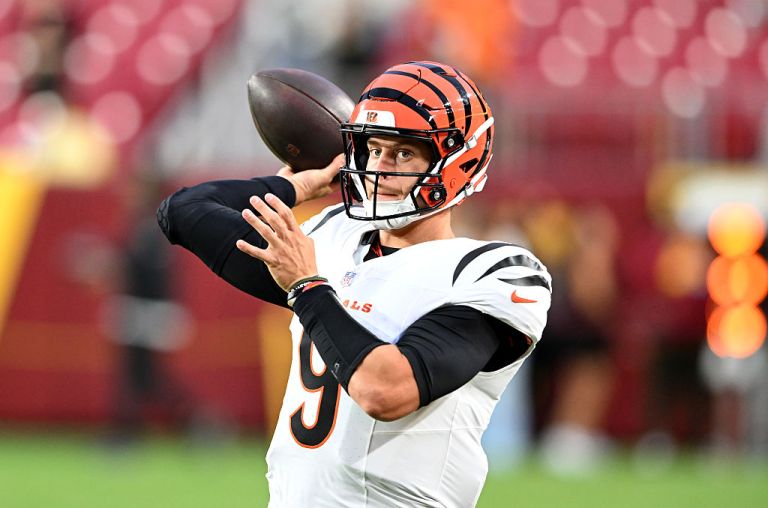
Steelers vs. Bengals Player Prop Bet Splits for Sunday Night Football
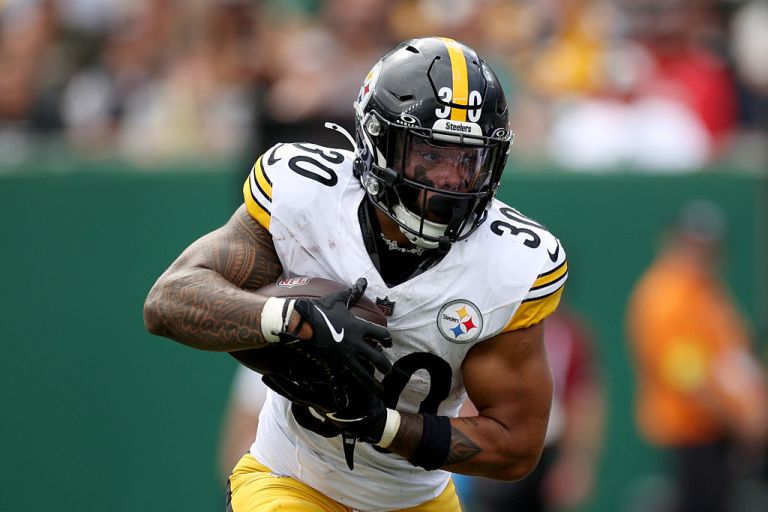
Best Jaylen Warren Prop Bet for Steelers at Bengals on Sunday 11/15/26
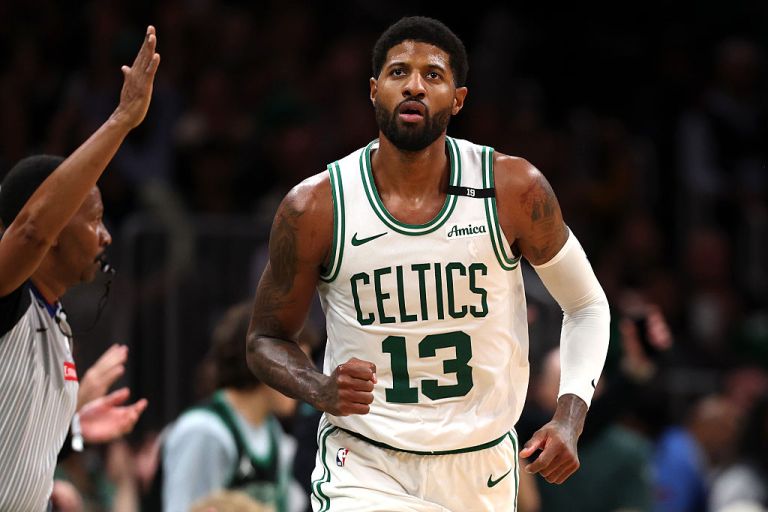
NBA Prop Bets: Mavericks at Celtics Best Bets for Sunday 11/15/26
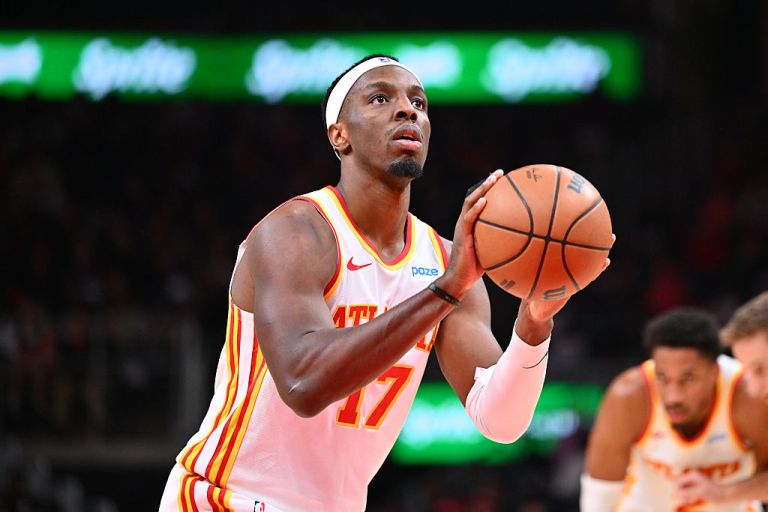
Best NBA Player Props for Sunday 11/15/26
All odds provided by DraftKings Sportsbook and all odds subject to change.