

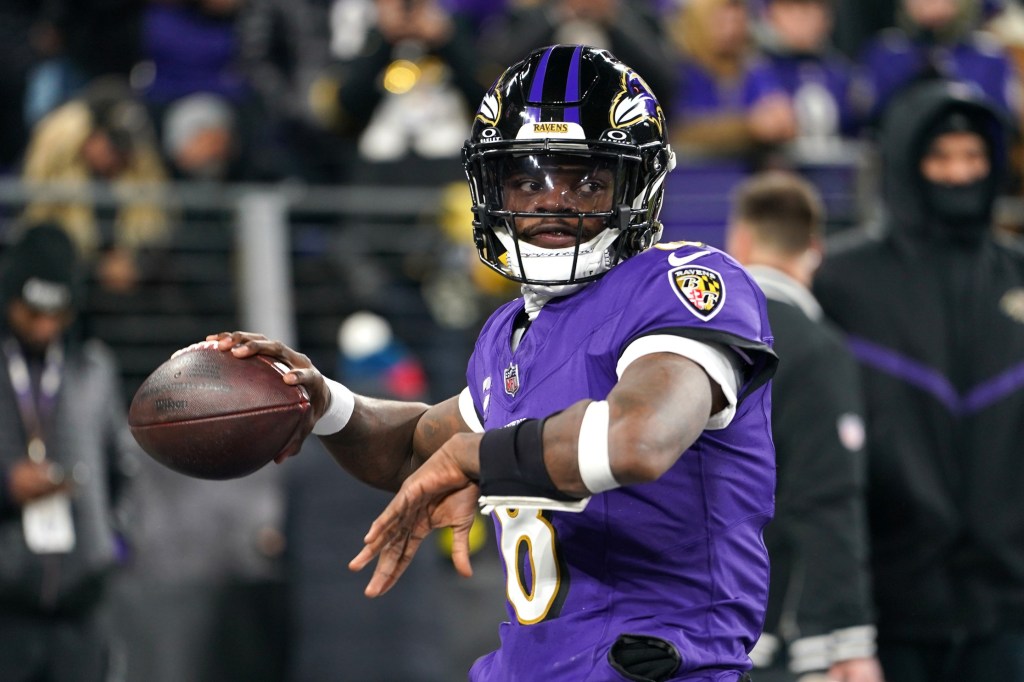
NFL training camps are about to open, meaning we are officially in the midst of fantasy football draft season. Best Ball contests on DraftKings have been open since the NFL Draft ended, but now plenty are starting to think about their upcoming season-long redraft leagues as well.
In this article, I will go through the differences in scoring, roster construction and drafting strategy between Best Ball and redraft formats.
The Draft
The biggest component that makes Best Ball contests on DraftKings different from every other form of fantasy football is the lack of in-season management. You draft your team once, and that’s it. No trades. No waiver wire. No lineup decisions.
Once your draft ends, your roster is locked in for the entire season. That means every pick counts and none can be wasted.
Drafting a Best Ball team is a far different animal than drafting for a standard redraft home league. In redraft, you can take late-round fliers on handcuff running backs who might sit on your bench for weeks, knowing you can cut them if they don’t pan out. In Best Ball, every pick is permanent, so who you draft is who you ride with through Week 17.
This shifts your draft strategy dramatically.
Every Roster Spot Counts in Best Ball
As mentioned above, you simply can’t afford to waste late-round picks on low-upside handcuffs who have no standalone value.
You also need to make sure your team is well-covered across all positions, especially through bye weeks. Without the ability to make waiver wire pickups, a single hole in your lineup can kill your weekly upside. Depth and proper roster construction become just as important as player selection.
For example, if you open your draft by taking two running backs in the first two rounds—a perfectly fine strategy—you’ll need to start targeting wide receivers aggressively right after. If you wait too long, you risk falling behind at WR. That’s a major problem in Best Ball, where you have to start three each week and can start up to four. With DraftKings’ full PPR scoring, wideouts often rack up the most points, making depth at the position absolutely critical.
Drafting the Onesie Positions (QB and TE)
In redraft, you’re managing matchups week-to-week. In Best Ball, you’re drafting for season-long output and weekly upside, especially at the onesie positions: Quarterback and Tight end.
If you draft an elite QB early—like Josh Allen or Lamar Jackson—you’ve secured a reliable weekly scorer. Since only one QB’s points count each week, having a single backup to cover the bye might seem enough.
But on DraftKings, with 20 roster spots, it’s usually wise to add a third QB. Late-round QBs offer a much higher floor than other positions because they’re almost always starting and providing consistent points.
Having three quarterbacks on your roster can also help you really stand out in the playoffs. When your QB1 (or QB2) has a down week, a surprise performance from your QB3 can carry your lineup and help you advance. This is huge because your elite QB, who’s now lower-owned in the next round, becomes even more valuable.
Tight end works a little differently, and it’s arguably even more important to draft three in most builds. Even if you draft an elite TE early (Brock Bowers or Trey McBride), you’re not necessarily done at the position. Tight ends are inconsistent and extremely touchdown-dependent, which makes it risky to lean on just one or two for a full season. Plus, unlike quarterback, you can actually start two tight ends if one of them posts a spike week and slides into your FLEX.
Just like at quarterback, carrying a third tight end can give you a real edge in the playoff rounds. If your TE3 delivers a spike week when others are thin at the position, that low-owned performance can push you ahead of the field. It’s one of the easiest ways to gain leverage without sacrificing value.
Stacking
Another core strategy that sets Best Ball apart from redraft is stacking, which simply means drafting multiple players from the same offense, most notably a quarterback paired with one or two pass-catchers.
In tournament formats—like the DraftKings Best Ball Millionaire—this can be a massive edge. If your QB has a monster game, chances are one of his wide receivers or tight ends did, too. That correlation helps you maximize your ceiling in any given week, especially during the fantasy playoffs when you need huge performances to outscore up to 1,000 other teams.
In redraft, stacking isn’t necessary because you’re setting your lineup manually each week. You can avoid bad matchups by sitting players, even if they’re from the same offense, so you’re not depending on their performances to be linked. An example would be starting Kyler Murray but benching Marvin Harrison Jr. if he’s facing a shutdown corner, or a defense that limits opposing wideouts.
Final Thoughts
If you love drafting but hate the weekly grind, Best Ball is your format. Unlike redraft, where the game is won through trades, waiver wire moves and consistent lineup management, Best Ball puts everything on the draft. Redraft rewards active in-season managers, streaming and adjusting to injuries on the fly. Best Ball rewards sharp drafters who build for 17 weeks in one sitting.