

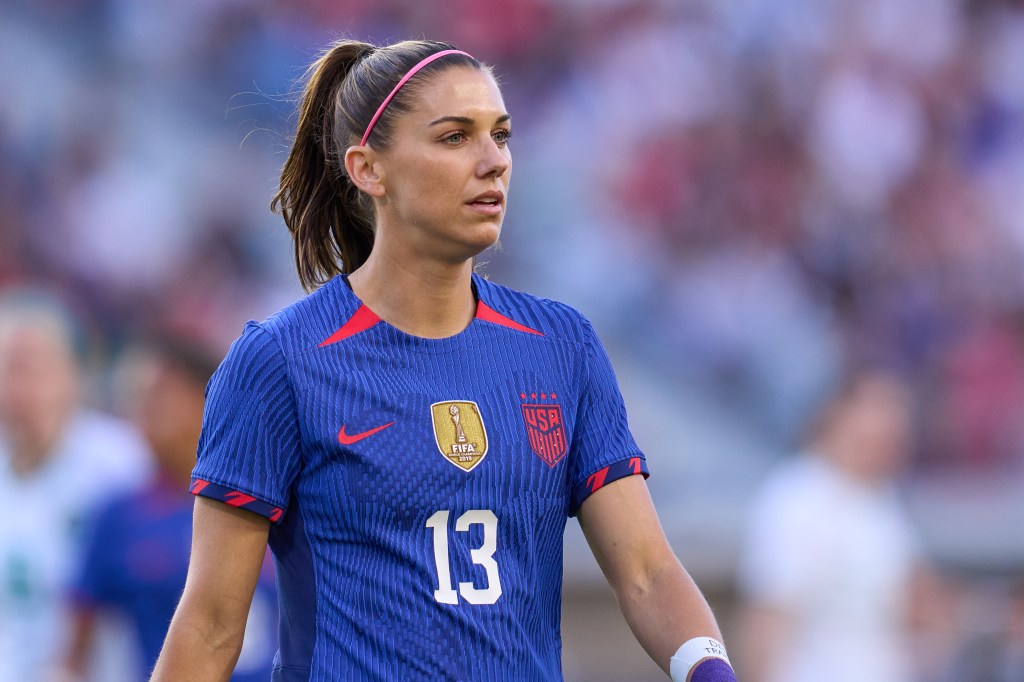
The 2023 women’s World Cup begins on July 20 while taking place in Australia and New Zealand. Ahead of the tournament, it’s important to understand the group stage tiebreaker rules. These rules determine the ranking of teams that end up with the same number of points after their group matches. Let’s break down the details.
Tiebreaker 1: Total Goal Differential
The team with the largest goal difference across all group matches wins the tiebreaker. Goal difference is simply the total number of goals scored minus the total number of goals allowed across these match competitions.
Tiebreaker 2: Total Goals Scored
The team that has scored the most combined goals in all group matches wins the tiebreaker.
Additional Tiebreakers
If there is still a deadlock after the first two tiebreakers, the remaining scenarios will be determined in the following order.
Head-To-Head Record
If teams are still tied, the one with the most points from matches played head-to-head among those teams will advance.
Head-To-Head Goal Differential
If there’s still a tie, the team with the largest goal difference from the head-to-head matches among those teams will advance.
Head-To-Head Total Goals Scored
If a tie persists, the team that scored the most goals in head-to-head matches among those teams will advance.
Fair Play Points
Finally, if a deadlock remains, Fair Play points come into play. These points are determined by the number of yellow and red cards received during all matches in the group stage.
The fair play points are enforced as follows:
- Yellow card: minus 1 point
- Indirect red card (two yellow cards): minus 3 points
- Direct red card: minus 4 points
- Yellow card and direct red card: minus 5 points
If the teams are still tied after Fair Play points, there will be a random draw and the team that wins the random draw will win the tiebreaker.