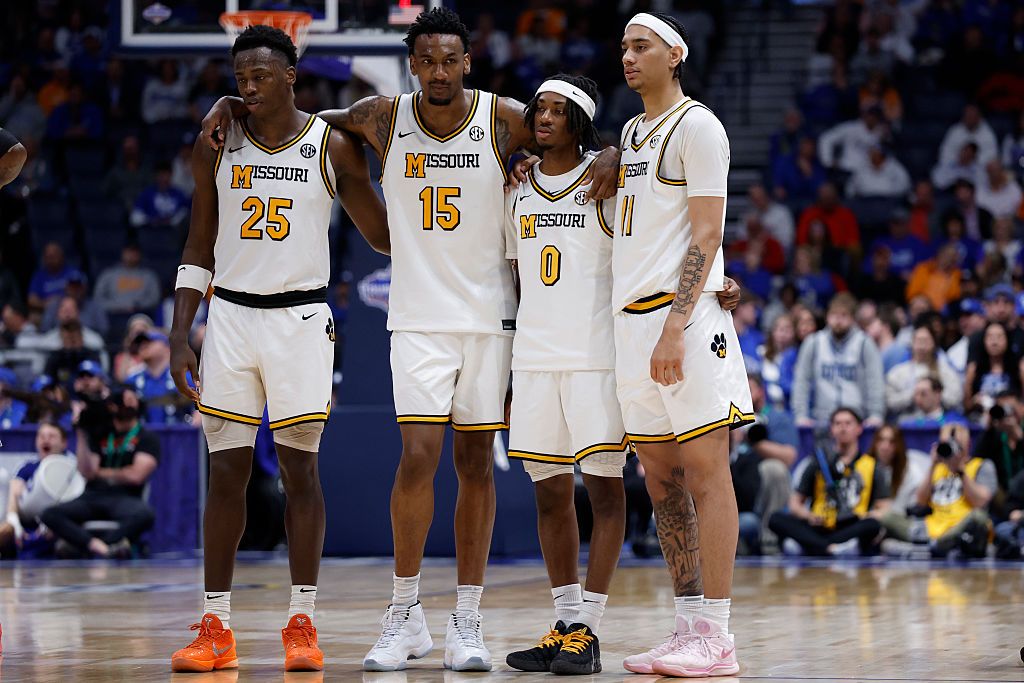
The Miami (FL) Hurricanes landed a seven seed in the South Region of the bracket, and they’ll face off against the ten-seed Missouri Tigers.
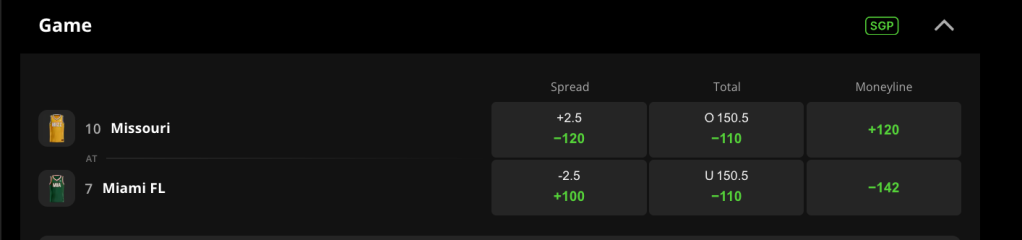
Miami (FL) vs. Missouri opening odds
The 7–10 line always carries a little unpredictability, and this one lands squarely in that category. Missouri enters the tournament at 20-12, earning a No. 10 seed after navigating the SEC and building a résumé strong enough to reach the field for the third time in four seasons under Dennis Gates. The Tigers’ statistical profile is built around offense: Missouri averaged over 83 points per game during the season, ranking among the most productive scoring teams in the country while playing at a pace that pushes games toward higher possession counts.
The current roster looks different from earlier Missouri teams that leaned on guards like Sean East or Tamar Bates—both of whom are no longer in the program. Instead, this version of Missouri has leaned heavily on Mark Mitchell, a versatile forward who leads the team with about 17 points and five rebounds per game, along with contributions from players such as Jayden Stone, Jacob Crews, and T.O. Barrett, giving the Tigers multiple scoring options capable of pushing tempo when the offense finds rhythm.
Miami arrives from the ACC with a steadier strength of schedule and one of the better records among teams in this seed range. The Hurricanes finished the regular season 24-7 overall and 13-5 in ACC play, reflecting a team comfortable operating in both fast and controlled environments. Miami still carries recent March credibility as well—most notably the program’s Final Four run in 2023, which reset expectations for what the Hurricanes can do in this tournament window.
The roster has leaned on experienced pieces. Matthew Cleveland provides scoring and rebounding from the wing—roughly 13.8 points and 7.4 rebounds per game—while Miami’s lineup balances perimeter play with frontcourt size.
That leaves the game with a clear stylistic tension. Missouri prefers a faster offensive tempo and scoring bursts that can swing momentum quickly. Miami tends to operate with more structure, spacing the floor and letting experienced players dictate the rhythm. In a 7–10 matchup, that push and pull is usually where the drama begins