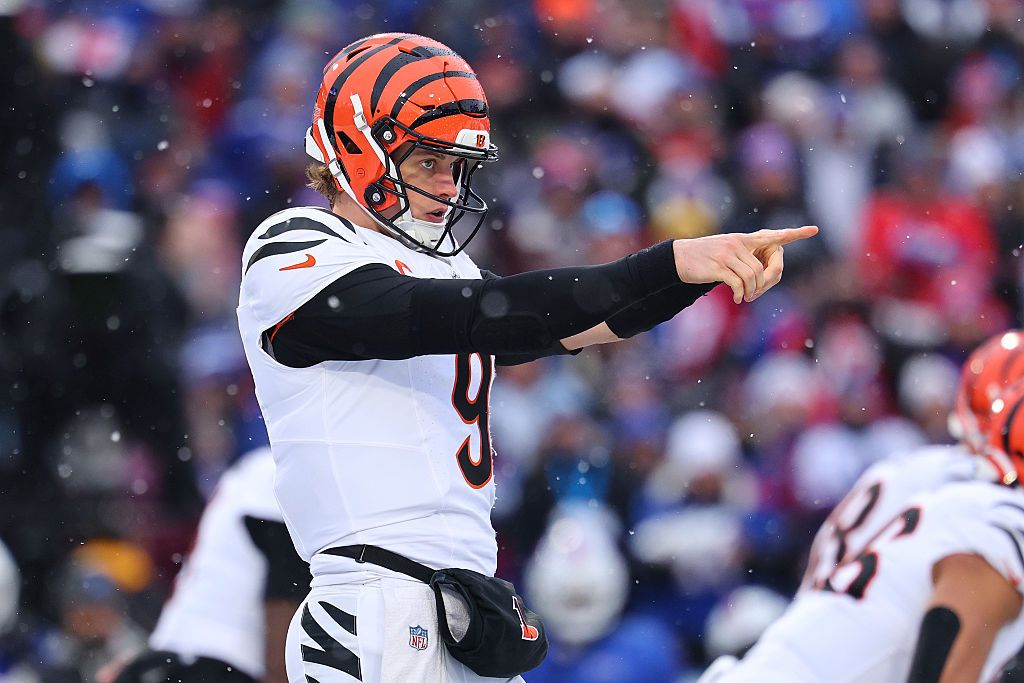
Paycor in mid-December feels like a confessional. Cincinnati already throttled Baltimore once, that 32–14 Thanksgiving humiliation that splintered belief on both sidelines. Since then the Bengals have lived under a spotlight, with Joe Burrow wondering aloud whether the grind still feels fun. The Ravens arrive dragging a month of stalled possessions and questions about whether this offense can still scare anyone. Both know a loss here doesn’t just dent playoff math; it brands the entire season as a failure. Below is my prediction for NFL Week 15’s game between the Cincinnati Bengals and the Baltimore Ravens.
Here’s how I’ll play it. I’ll be pumping out these predictions for individual games all season, with plenty of coverage here on DraftKings Network. Follow my handle @dansby_edits for more betting plays.
Bengals vs. Ravens prediction, preview
Baltimore’s identity starts with Derrick Henry. The Ravens have 370 rushing attempts for 1,858 yards, a 5.0 yards-per-carry clip, and 16 rushing touchdowns. That ground engine is why their overall offense sits at -0.024 EPA per play despite a broken pass profile. The passing game sits at -0.093 EPA per pass, and Jackson’s season line reflects that volatility: 227 completions on 352 attempts for 2,617 yards, 17 touchdowns, and nine interceptions. The last month has been harsher, with Baltimore posting -0.334 EPA per play in Week 13, then only 0.008 in Week 14. That Week 14 recovery came on 77 plays, which is a lot of motion for little separation. The finishing issues show up everywhere, including Mark Andrews’ world, where tight-window throws become mandatory. Baltimore has 50 red-zone trips and only 22 touchdowns, a 44% conversion rate, and their red-zone EPA is -0.237 per play. Even when the run game travels, the last eight yards have felt like quicksand.
Cincinnati’s offense is Burrow and volume, and the numbers are blunt. He has thrown 493 passes, completing 305 for 3,141 yards with 27 touchdowns and 14 interceptions. That aggression can be messy, but it also gives them answers when the game tilts. Ja’Marr Chase is the stress point, because he forces coverage decisions that create lighter throws elsewhere. Those “elsewhere” throws matter because Cincinnati converts 43.5% of third downs, while Baltimore converts 37.7%. The Bengals are only -0.036 EPA per play on the season, yet their recent trajectory is the reason I want the points. They climb from -0.222 EPA per play in Week 11 to -0.193, then -0.002, then 0.138 in Week 14. That’s a real four-week trend. Chase Brown becomes important inside that trend, because his routes and checkdowns punish pressure looks and keep the offense on schedule. Cincinnati also finishes drives better, scoring 22 red-zone touchdowns on 37 trips, a 59.5% rate, with a 0.054 red-zone EPA per play.
The case for Baltimore is still serious, and it has names attached. Jackson plus Henry can dictate tempo, shorten the game, and keep Burrow watching from the sideline. Baltimore’s defense has been far better on the season, allowing only 0.025 EPA per play compared to Cincinnati’s 0.155. Their run defense sits at -0.040 EPA allowed per rush, which can erase Cincinnati’s inefficient run phase. If the Ravens win on early downs, then Andrews and the receivers can live off play-action instead of pure dropbacks. If Burrow presses, those 14 interceptions become the swing event. Cincinnati’s defense has been awful against the pass, allowing 0.224 EPA per pass with a 49.5% success rate allowed. That is how an underdog gets buried.
Ravens vs. Bengals pick, best bet
I still land on Bengals +2.5 at DraftKings because the leverage snaps favor Cincinnati, and the player-level stress points align. Baltimore’s passing game is inefficient at its core with -0.093 pass EPA, and Jackson has already been sacked 36 times. Burrow has been sacked 26 times despite far more dropbacks, and that matters against a Ravens defense allowing 0.070 EPA per pass. When the pocket holds, Burrow’s volume becomes a weapon, not a liability, and Chase turns single mistakes into points. Baltimore’s run game can win yards, but their finishing profile keeps betraying them at 44% touchdowns per red-zone trip. Cincinnati’s red-zone rate is 59.5%, and that is the difference between covering and failing by a field goal. The Ravens can be the sturdier roster and still lose the spread because they settle in the red zone.
The shape of the game supports the points. Cincinnati should live in spread sets, letting Burrow distribute and forcing Baltimore into space decisions. That plan keeps Chase central while still giving Brown and the secondary targets steady work underneath. Baltimore should lean into heavier run intent with Henry, because that is where their efficiency lives at 0.049 rush EPA per play. Jackson’s legs and the run game can keep this close, but the moment Baltimore needs clean dropbacks, the profile turns sour. Their pass game has been a drag for a month, and their best recent bounce still only reached 0.008 EPA per play. In a matchup this tight, I want the team with the upward offensive curve and the better finishing rate, even with defensive flaws.
Bengals +2.5, Cincinnati 27–24.
Best bet: Bengals +2.5 (-105) vs. Ravens
Tail it with me in the DKN Betting Group here!
For a prop lean, Burrow 38+ pass attempts (-115). This game script keeps pushing Cincinnati toward volume. Baltimore’s run defense sits at -0.040 EPA allowed per rush, which quietly discourages balance and forces the ball back into Burrow’s hands. Cincinnati already leans pass-first by design, with 493 attempts on the season, and their recent offensive climb to 0.138 EPA per play came without leaning on the run. When the Bengals are efficient, they don’t slow down; they spread the field, stay in shotgun, and keep throwing into space. That shows up on third downs too, where Cincinnati converts 43.5%, extending drives that turn into more dropbacks instead of punts.
Best prop lean: Joe Burrow 38+ total passing attempts (-115)
Tail it with me in the DKN Betting Group here!