The closer we get to Super Bowl 60, the more the commercials start feeling like their own postseason. The game is headed for Levi’s Stadium, with Seattle Seahawks and New England Patriots dragging an old grudge back into the light. NBC has the broadcast, the Bay Area has the stage, and the ad world has already spent the week acting like the opening drive is a teaser trailer. That’s the modern rhythm: brands don’t wait for kickoff anymore, because the conversation starts the second the spots hit the internet.
And the stakes are absurdly concrete. Those thirty seconds are priced like real estate, with NBC hunting at least $7 million a slot, and the inventory already spoken for. So the “big ads coming” aren’t rumors—they’re already out in the wild. Ben Affleck is back in the Super Bowl mix via Dunkin’, leaning into sitcom-star nostalgia. Sabrina Carpenter just fronted Pringles in a full spot that’s already doing laps online. Uber Eats is teasing a campaign built around Matthew McConaughey’s dead-serious comedy. That’s the atmosphere this list lives in: a sport within the sport, where the best ads don’t just win the night—they change how the night fits into big-brain consumerist legacy.
We’ll be covering all the ads for the Super Bowl this week here at DraftKings Network. For now, in advance of the game, I’ve ranked my top-five all-timers from Superbowls of yore.
Top five Super Bowl commercials of all-time
Ranked in order.
5. Snickers – The Betty White commercial (2010)
This is a masterclass in using a single, blunt idea and never letting go. The concept is instantly legible: hunger turns people into versions of themselves nobody wants around. The ad then commits to the funniest embodiment of that annoyance, placing Betty White in the middle of a muddy football game and letting the mismatch speak for itself.
The humor works because it’s physical and verbal at once. The hit in the mud lands with cartoon clarity, but the dialogue keeps it sharp, too. Every beat pushes the same thesis: this person is playing wrong because this person is off-kilter. Then the candy bar arrives like a reset button, and the transformation is clean. The punchline isn’t complicated. It’s precise.
Cultural impact matters here because this spot didn’t just win a year. It launched a slogan that became a franchise. The campaign’s core line about hunger making people act unlike themselves turned into a platform that survived new faces, new scenarios, and a decade of copycats. That kind of longevity is the real scoreboard.
Casting is the genius. Betty White brought goodwill and edge, and the ad used it without winking too hard. It trusted her to be game, not fragile. That confidence made the comedy feel respectful instead of exploitative.
Most Super Bowl jokes age like memes. This one ages like a sitcom bit. It’s simple, mean in the right way, and still funny on tenth watch. That’s why it belongs in the top tier.
4. Volkswagen – “The Force” (2011)
“The Force” is modern Super Bowl craft at its most elegant: one kid, one costume, one belief that imagination can move the world. The opening is pure character comedy—tiny Darth Vader stalking the house, trying to bend reality with clenched fists. The gags land because the kid commits. No mugging, no apology, just earnest power.
Then the ad hits its real trick. It waits. It lets the attempts fail long enough to build empathy, and then it delivers the payoff with a warm, quiet reveal. The car “starts,” the kid freezes, and the moment becomes bigger than the joke. It becomes a memory about childhood agency, the beautiful delusion that effort alone can summon miracles.
That’s why it traveled so far beyond the broadcast. It’s universally readable, even without dialogue. It’s also brand storytelling without brand shouting. Volkswagen positions the car as dependable, but the emotional hook is wonder, not horsepower. The parents’ timing—especially the father’s decision to let the kid have the magic—adds a final layer of tenderness.
Culturally, it’s a landmark of the viral era. It played on television, but it lived online, shared like a short film rather than an ad. It proved that Super Bowl spots could be built for replay and still feel intimate. The best commercials create a whole room’s reaction in the same second. This one does it with a child’s pause and a helmeted head tilt. That’s control. It’s the rare spot that makes cynics smile without negotiation. And keeps them smiling.
3. Budweiser – “Whassup?” (1999)
“Whassup?” is a joke with perfect airflow. The premise is nothing—friends greeting friends—and that’s why it detonated. Budweiser didn’t overwrite it. It trusted cadence, repetition, and the tiny absurdity of watching a word stretch until it becomes music. The spot feels like eavesdropping on real life, except real life rarely lands punchlines that clean.
Comedically, it’s surgical. The first “Whassup?” is casual. The second is louder. Then the chain reaction starts, each new caller adding volume and silliness until the entire scene becomes a chorus. The escalation is the craft. It’s also the truth of how group language spreads. One person says a thing. Everyone else inherits it. Suddenly it’s everywhere.
Listen to the pacing and it’s basically percussion. Short pauses. Quick callbacks. A chorus that keeps finding new notes without changing the melody. The camera stays plain on purpose, because the sound is the spectacle.
That’s the cultural impact, and it’s massive. “Whassup?” escaped the commercial instantly. It became greeting, parody, nuisance, and handshake. Late-night shows used it. Movies nodded at it. People shouted it across hallways. The phrase functioned like a temporary national anthem, and that is rare.
What I respect most is how little the brand interrupts. The beer isn’t forcing itself into the center. The vibe is the product. Budweiser sells belonging, the low-stakes ritual of checking in, and the ad captures that ritual with almost documentary ease. If “1984” proved ads could be cinema, “Whassup?” proved they could be language. It didn’t just win the night. It invaded the year.
2. Coca-Cola – Mean Joe Greene “Hey Kid, Catch!” (1979)
This is the cleanest emotional exchange the Super Bowl has ever aired. A kid offers a battered hero a drink. The hero softens, just enough, then pays it back with a jersey toss that feels like a crown. No cynicism, no wink. Just warmth, earned in a handful of shots.
What makes it timeless is the economy. The story doesn’t beg. It doesn’t stack subplots. It simply builds trust through small gestures: the kid’s concern, the player’s reluctance, the quiet shift in posture when gratitude finally wins. The camera treats the moment with respect. It never rushes the beat that matters, the second where a public giant chooses to be human.
This ad also changed how sports celebrities could live in commercials. It isn’t about dominance or swagger. It’s about tenderness after impact. That reframed the athlete as a person with dents, not just a brand with shoulders. Every “heartfelt” Super Bowl spot owes something to this blueprint, whether it admits it or not.
The genius is the payoff’s simplicity. A uniform goes from symbol to gift. The hallway becomes a stage. A soft “thanks” carries more weight than any punchline.
And that final exchange sealed the memory. The best ads don’t just entertain. They become a shared reference point, a little scene everyone can replay without trying. This one still plays like a lullaby for the culture: brief, generous, and impossible to outgrow. It turns a soda into a token of decency for the whole room.
1. Apple – “1984” (1984)
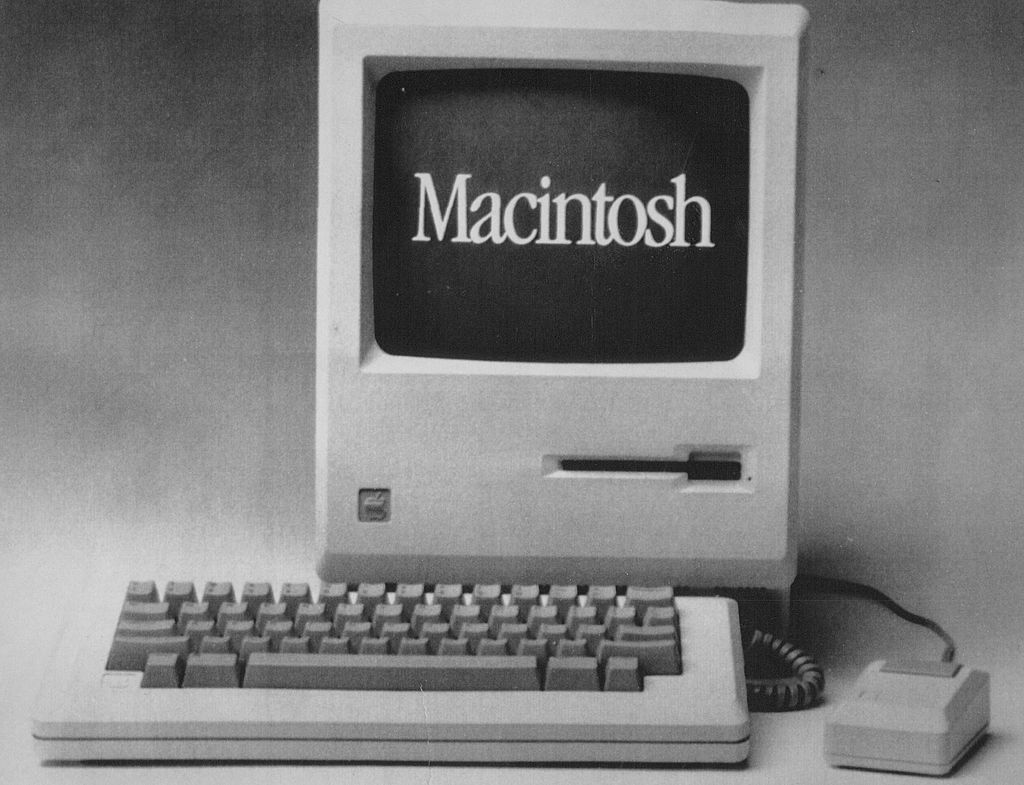
Super Bowl ads usually chase attention. “1984” seizes it and refuses to give it back. Apple didn’t just buy a slot; it hired Ridley Scott and let him shoot a commercial like a feature, with the same steel-gray menace he’d already etched into Alien and Blade Runner. The frame opens in marching dread—blank faces, synchronized bodies, language reduced to broadcast noise—then that lone runner cuts through the architecture like a rumor. Every choice is deliberate: the oppressive rhythm, the surveillance glare, the sense that words have been confiscated. The hammer throw lands with mythic force, and the room finally breathes.
I love it because it redefined the assignment. Before this, the big-game spot often played like a loud billboard with jokes attached. “1984” treats the broadcast like a premiere. It sells a philosophy—individualism, creativity, rebellion—then lets the computer arrive as the quiet proof. That’s the flex: the product barely appears, yet it owns the memory.
Culturally, it taught brands they could build worlds, not just slogans. It also proved a commercial could live in negative space—mystery, menace, restraint—and still hit like thunder. After it aired, everyone started dreaming bigger, instantly.