The 2026 Oscar nominations are officially out, and Best Director is where the Academy most plainly declares what it values. This isn’t “best effort” or “biggest movie.” It’s authorship—mise-en-scène, tempo, image-making, and the invisible logic that makes a film feel inevitable. When this category hits, it reads like a ballot on control: who shaped the chaos, who conducted the room, who made a hundred moving parts look like one idea.
The 98th Academy Awards will air live from the Dolby Theatre on Sunday, March 15, at 7 p.m. ET on ABC. And the Best Director field this year feels unusually coherent: five filmmakers with unmistakable signatures, and five films that live in directorial decisions—blocking, texture, rhythm, point of view—rather than mere premise.
Check out our coverage of other Oscar nominations here:
- Best Picture
- Best Actor
- Best Actress
- Best Supporting Actor
- Best Supporting Actress
- Best Original Screenplay
2026 Oscars Best Director Nominees
Paul Thomas Anderson (One Battle After Another)
Joachim Trier (Sentimental Value)
Ryan Coogler (Sinners)
Josh Safdie (Marty Supreme)
Chloé Zhao (Hamnet)
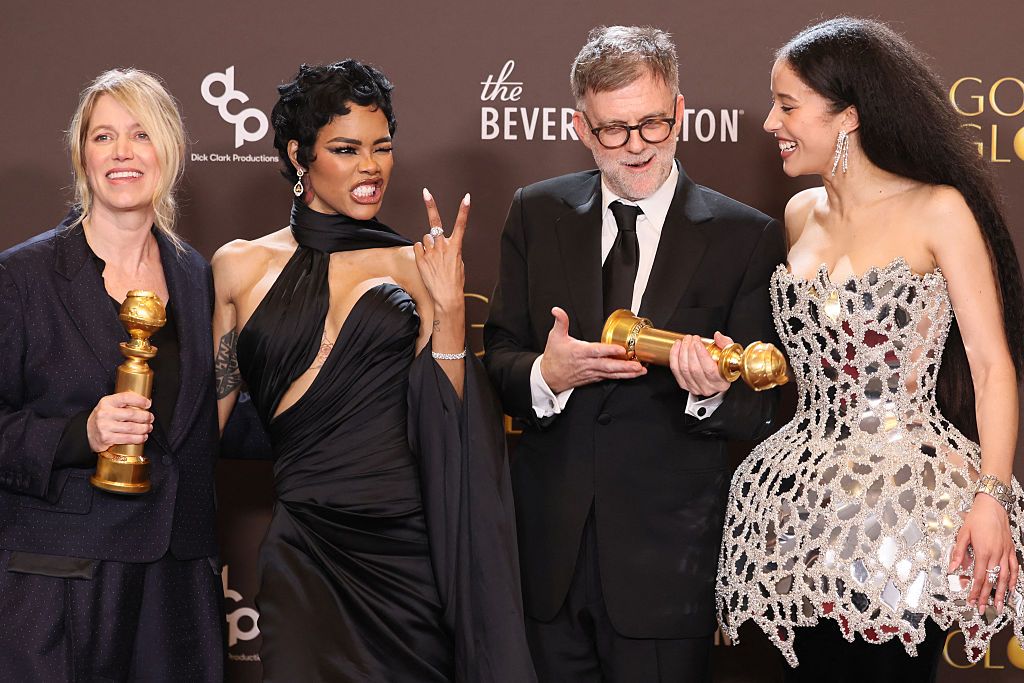
Paul Thomas Anderson is already carrying the season’s north star profile. He won Best Director at the Golden Globes, then backed it up with Best Director at the Critics Choice Awards, the kind of one-two that turns a respected contender into the default answer on a lot of ballots. Add that Anderson also grabbed the Golden Globe for Screenplay—a rare confirmation that the film’s authority is coming from the page and the camera in tandem.
Coogler is the most interesting counterweight, because Sinners has that combination the Directors Branch loves: cultural velocity and compositional rigor. In a crowded Best Picture year, Director is often where the Academy can reward the clearest act of orchestration, even if Picture spreads its votes across a stacked slate. Coogler’s case also benefits from Sinners being a writing-forward achievement this season—he won Critics Choice for Best Original Screenplay, which only strengthens the idea that the film’s impact is engineered, not accidental.
Trier’s Sentimental Value brings a form of quiet power that cinemas haven’t seen in some time, leaving audiences feeling the weight of every single shot. Safdie’s Marty Supreme brings the opposite electricity: velocity, tension, and modern pulse, with the camera behaving like an instrument inside the scene rather than a spectator outside it. Zhao’s Hamnet is the lyrical lane—intimacy staged at scale, emotional geometry, the patience to let meaning gather without underlining itself.
Of this group, the race reads clean: do voters go with Anderson’s season-long consensus sweep, or do they pivot to the director whose film felt most like a cultural event and a formal flex? Right now, the circuit is telling us Anderson is the favorite—but Coogler is the one who can turn a packed Best Picture year into a director’s statement.
Prediction: Paul Thomas Anderson (One Battle After Another)
This is the branch’s favorite kind of choice: the filmmaker whose movie feels completed in the camera—every beat paced, every image argued, every tonal pivot landing like it was inevitable. The season-long read you’re building into this piece matters, too. When the circuit keeps pointing at the same name for both direction and screenplay, it usually means voters are rewarding total authorship, not just moments.
The spoiler is Ryan Coogler (Sinners), because Director is where the Academy can make a clean, forceful statement in a crowded Best Picture year. If Picture fractures, and voters want to honor the year’s loudest act of orchestration, Coogler’s the pivot. But if the ballot follows the “most complete film grammar” instinct, Anderson’s the closer.